Why Professional Mold Removal Is Essential in Pacific Beach’s Coastal Climate
Pacific Beach’s ocean air isn’t just salty—it’s a breeding ground for mold. High humidity, frequent moisture, and older homes create perfect conditions for hidden colonies. Without professional remediation, these spores can compromise air quality, structural integrity, and health long before you notice the problem.
How Coastal Humidity Fuels Mold Growth
The marine layer rolls in nightly, pushing indoor humidity above 60%—the threshold where mold spores activate. Even minor leaks or condensation become invitations for colonies to take root in drywall, insulation, and framing.
Unlike inland areas, Pacific Beach’s consistent moisture means mold doesn’t just appear after storms. It thrives year-round, often in attics, crawl spaces, and behind walls where airflow is poor.
The Hidden Dangers of Unchecked Mold in Homes
Mold isn’t just unsightly—it releases mycotoxins that can trigger respiratory issues, allergies, and chronic sinusitis. Children, the elderly, and those with compromised immune systems are especially vulnerable.
Structurally, mold breaks down cellulose in wood and drywall, weakening load-bearing elements. By the time you see staining or smell mustiness, the damage may already be extensive.
If occupants report unexplained headaches, coughing, or skin irritation, assume mold until proven otherwise. Air quality testing can confirm its presence even when invisible.
DIY vs. Professional Mold Remediation: What You Risk
Bleach and scrubbing might remove surface mold, but without HEPA vacuums, containment, and proper PPE, you risk spreading spores to clean areas. DIY efforts often miss hidden colonies in HVAC systems or inside walls.
Professionals use moisture meters, thermal imaging, and lab analysis to identify the full extent of infestation. We follow IICRC S520 standards to ensure spores are removed—not just relocated.
| Factor | DIY Approach | Professional Approach |
|---|---|---|
| Safety | Limited PPE; high exposure risk | Full containment, HEPA filtration, protective gear |
| Effectiveness | Surface-level; often misses hidden mold | Deep remediation with moisture control |
| Long-Term Prevention | Includes dehumidification, ventilation, and barriers | |
| Compliance | May violate local codes or landlord requirements | Meets San Diego County and IICRC standards |
Where Mold Hides in Pacific Beach Homes
Attics are prime targets due to poor ventilation and roof leaks, especially in older homes in Mission Beach or Clairemont. Trapped heat and moisture create ideal conditions for mold to spread across sheathing and rafters.
Crawl spaces and basements—common in Bay Park and La Jolla—often suffer from standing water or high humidity. Without vapor barriers or encapsulation, mold can infest joists, subflooring, and insulation.
Bathrooms, kitchens, and laundry rooms are obvious culprits, but don’t overlook HVAC systems. Ductwork can distribute spores throughout the home if not properly cleaned.
The Role of Water Damage in Mold Proliferation
Mold needs moisture to grow, and Pacific Beach’s proximity to the coast means water damage is inevitable. Whether from plumbing leaks, storm surges, or poor drainage, standing water must be addressed within 24–48 hours to prevent spore germination.
Water damage restoration isn’t just about drying surfaces. It requires thorough dehumidification, antimicrobial treatments, and moisture barriers to prevent recurrence. We often pair remediation with these services for comprehensive protection.
Why Air Quality Testing Is Non-Negotiable
Visible mold is only part of the story. Air quality testing identifies spore counts, species (like toxic Stachybotrys), and whether contamination has spread to clean areas. This data guides our remediation plan and verifies success.
In Pacific Beach, outdoor spore levels are naturally high. Testing helps distinguish between normal background levels and dangerous indoor amplification. We use third-party labs to ensure unbiased results.
Always conduct air quality testing post-remediation to confirm spore levels have returned to safe, outdoor-equivalent counts.
Long-Term Mold Prevention for Coastal Properties
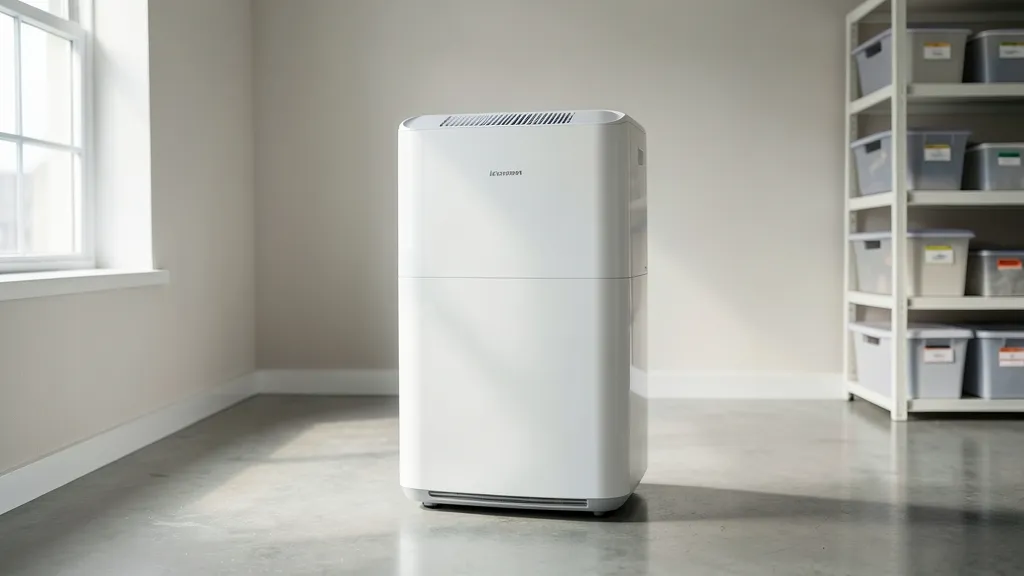
Remediation without prevention is a temporary fix. In our climate, moisture control is key: dehumidifiers in crawl spaces, improved attic ventilation, and grading to direct water away from foundations.
For homes in flood-prone areas near Mission Bay, consider sump pumps and French drains. Encapsulating crawl spaces with vapor barriers can also block moisture from the ground up.
Regular inspections—especially after heavy rains or humidity spikes—can catch issues early. We offer maintenance plans to keep properties in La Jolla, Clairemont, and beyond mold-free.
Coastal Mold Prevention Checklist
- Install and maintain dehumidifiers in basements/crawl spaces
- Ensure attic and bathroom vents exhaust outside, not into attics
- Seal gaps around windows, doors, and pipes to reduce humidity entry
- Use mold-resistant products (e.g., paperless drywall, antimicrobial paint) in high-risk areas
- Schedule annual mold inspections, especially before rainy season
Commercial Mold Remediation: Protecting Businesses and Tenants
Mold in commercial properties—like restaurants, offices, or rental units in Pacific Beach—poses legal and financial risks. Tenant health complaints or failed inspections can lead to costly shutdowns or lawsuits.
Our team handles large-scale remediation with minimal disruption, using containment chambers and air scrubbers to keep businesses operational. We also work with property managers in Bay Park and Clairemont to address multi-unit issues efficiently.
How to Respond to a Suspected Mold Problem
If you suspect mold, act quickly but carefully to avoid spreading spores.
- 1Isolate the Area
Close doors and windows to the affected space. Turn off HVAC systems to prevent spore dissemination through ductwork.
- 2Avoid Disturbing the Mold
Do not touch, scrub, or blow air on visible mold. This can release spores into the air, worsening contamination.
- 3Document the Issue
Take photos and notes of the location, size, and any water damage sources. This helps professionals assess the scope and may assist with insurance claims.
- 4Contact a Professional
Call a certified mold remediation team for an inspection and air quality testing. We’ll provide a detailed plan and quote based on the findings.
- 5Address the Moisture Source
While waiting for remediation, identify and stop the water source—whether it’s a leak, condensation, or poor drainage—to prevent further growth.
Frequently Asked Questions
Can mold come back after professional remediation?
Yes, if the moisture source isn’t addressed. Professional remediation removes existing mold, but long-term prevention requires fixing leaks, improving ventilation, and controlling humidity. We include prevention strategies in our post-remediation reports.
How do I know if my Pacific Beach home has toxic black mold?
Black mold (Stachybotrys) often appears as dark green or black splotches with a slimy texture, but visual identification isn’t reliable. Lab testing is the only way to confirm the species and toxicity. If you see extensive mold or experience health symptoms, assume it’s hazardous until tested.
Is mold covered by homeowners insurance in California?
It depends on the cause. Most policies cover mold damage resulting from a ‘covered peril’ like a burst pipe, but exclude mold due to neglect or long-term humidity. Document the source and file a claim promptly. We can provide detailed reports to support your case.
How long does mold remediation take in a typical Pacific Beach home?
Timelines vary based on the infestation size and location. A contained bathroom mold issue may take 1–2 days, while whole-home or crawl space remediation can require a week or more. We provide a clear schedule after the initial inspection.
Do I need to leave my home during mold remediation?
For small, contained projects, you may be able to stay. However, large infestations—especially in HVAC systems or multiple rooms—often require temporary relocation for safety. We’ll advise you based on the scope and use containment to minimize disruption.
What’s the difference between mold testing and mold inspection?
A mold inspection is a visual and moisture assessment to identify potential problems and sources. Mold testing involves collecting air or surface samples for lab analysis to determine spore types and concentrations. We recommend both for a comprehensive evaluation.