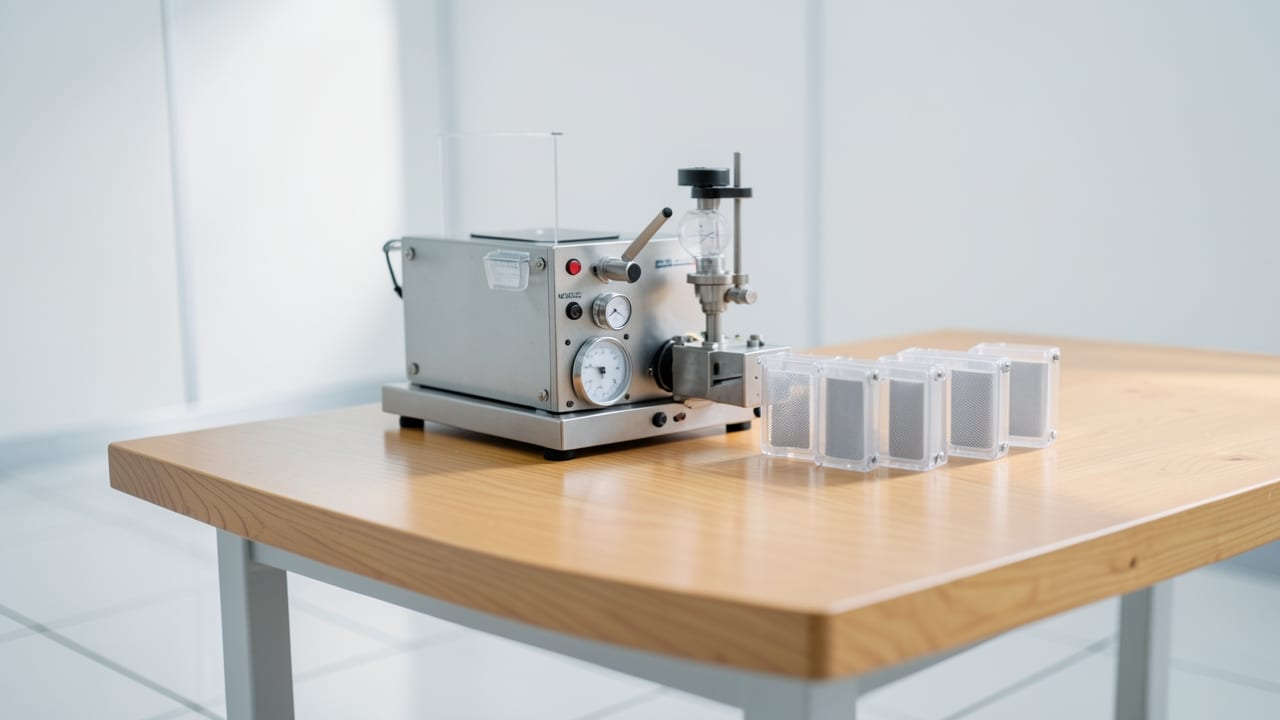
Mold Testing & Air Quality Testing
Mold and indoor air quality testing in Pacific Beach, CA — lab-analyzed air and surface samples confirm what's actually growing and whether it's airborne.
Professional mold testing and air quality testing in Pacific Beach, CA, go beyond visual checks by lab-confirming mold species and airborne spore levels. Accurate results guide safe, effective remediation and verify clearance after treatment.
Why Test for Mold and Air Quality?
Mold testing in Pacific Beach identifies hidden or visible growth at the species level, revealing whether it’s a low-risk type or a harmful variety requiring strict containment. Air quality testing measures airborne spore concentrations, comparing indoor levels to an outdoor baseline to determine if spores are spreading throughout your home.
We also handle School Mold Remediation and Hospital Mold Removal for Pacific Beach properties.
This dual approach ensures you know the full scope of the problem before remediation begins. Lab-confirmed results also help tailor the cleanup process, addressing the specific risks posed by the mold present.
Signs You Need Mold Testing
- Visible mold growth on walls, ceilings, or other surfaces
- Musty odors that persist even after cleaning
- Unexplained allergy-like symptoms (coughing, sneezing, itchy eyes) that worsen indoors
- Recent water damage or leaks in your home
- Pre-purchase home inspection for peace of mind
Testing Methods and What They Reveal
Air samples collect spores from the air you breathe, while surface samples (swab or tape-lift) identify mold species at a specific location. Both are sent to an accredited third-party lab for analysis, with results typically returned within a few business days.
Air quality testing is especially critical for confirming whether spores are airborne and affecting the entire home, not just a single surface. Lab identification ensures remediation follows the right protocol for the mold species found.
| Sample Type | Purpose | What It Reveals |
|---|---|---|
| Air Sample | Measures airborne spores | Compares indoor spore levels to outdoor baseline to assess air quality |
| Surface (Swab) Sample | Tests a specific area | Identifies mold species growing at a particular location |
| Surface (Tape-Lift) Sample | Tests a specific area | Collects mold spores from surfaces for lab identification |
Before and After Remediation: Testing’s Role
Testing is essential both before and after remediation. Pre-remediation testing confirms the scope and type of mold, ensuring the right cleanup approach. Post-remediation testing, or clearance testing, verifies that spore counts have returned to normal levels, giving you confidence the job is complete.
Without lab-verified results, you risk incomplete remediation or unnecessary over-treatment. Professional testing in Pacific Beach provides the data needed to protect your home and health.
How Mold Testing & Air Quality Testing Works
Here’s what to expect during a professional testing service in Pacific Beach:
- 1Initial Inspection
A technician performs a visual inspection to identify potential mold growth areas, water damage, or moisture issues that may require testing.
- 2Sample Collection
Air samples are taken from affected and unaffected areas, and surface samples (swab or tape-lift) are collected from visible mold. An outdoor baseline sample is also taken for comparison.
- 3Lab Analysis
Samples are sent to an accredited third-party lab, where they are analyzed to identify mold species and spore concentrations. Results typically return within a few business days.
- 4Report and Recommendations
You receive a detailed report with lab-verified findings, including mold species, spore counts, and recommendations for remediation if necessary.
Frequently Asked Questions
How long does it take to get mold testing results?
Results typically return within 2-5 business days after samples are sent to the lab. Rush options may be available for urgent situations.
How much does mold testing cost in Pacific Beach?
Pricing varies based on the number of samples needed. Air samples usually start around $75–$150 each, while surface samples range from $50–$100. Call for a quote tailored to your home’s needs.
Do I need both air and surface testing?
Air testing is critical for assessing airborne spores, while surface testing identifies the species at a specific location. Both are often recommended for a comprehensive understanding of the problem.
Is mold testing necessary if I can see mold?
Yes. Lab testing confirms the species, which determines the remediation approach. Some molds require stricter containment and cleanup protocols than others.
See Columbia, CA for more, or check out the full mold remediation lineup we run in Pacific Beach across the area for our complete lineup.
Ready to get started?
Talk to a local mold remediation pro in Pacific Beach — get a written quote.
Other Mold Remediation Services in Pacific Beach
School Mold Remediation in Pacific Beach, CA
Professional mold removal and remediation in schools to ensure a safe, healthy environment.
Learn More
Hospital Mold Removal in Pacific Beach, CA
Professional assessment and removal of mold in hospitals to ensure a safe, healthy environment.
Learn More
Warehouse Mold Cleanup in Pacific Beach, CA
Professional removal of mold from warehouse spaces to restore safe, clean conditions.
Learn More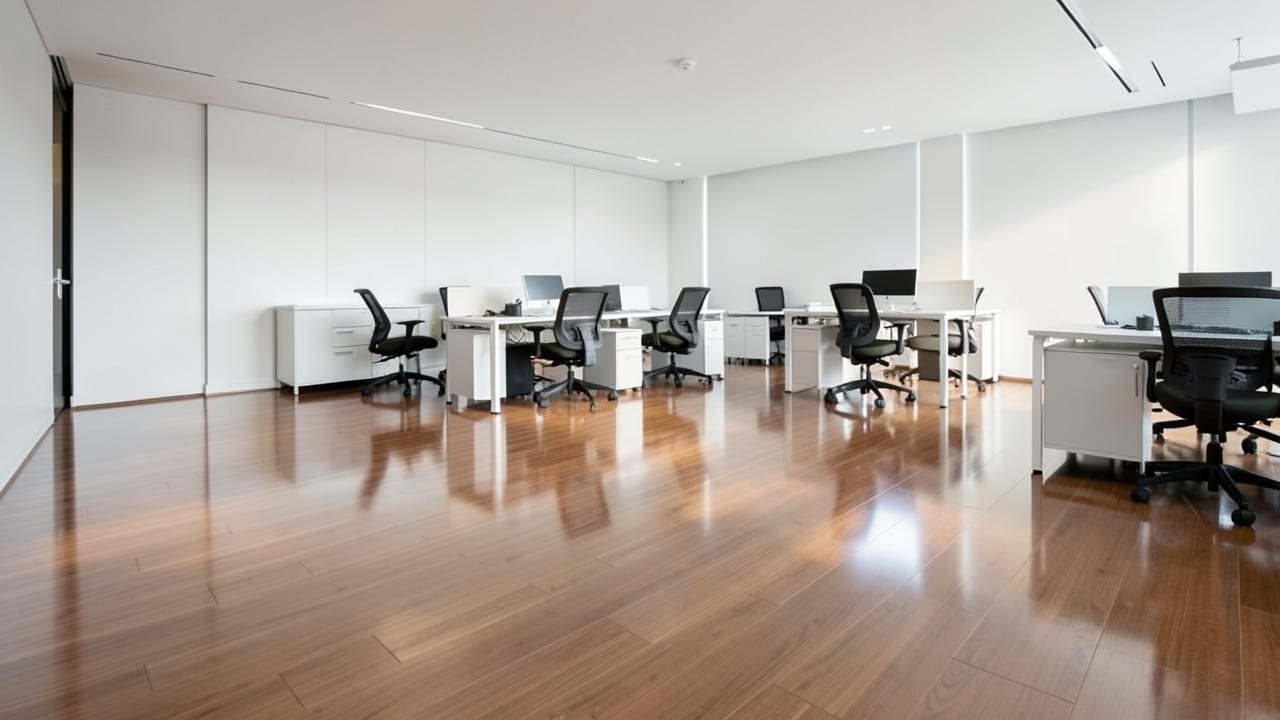
Vinyl Flooring Mold Treatment in Pacific Beach, CA
Professional mold treatment and removal for vinyl flooring in homes.
Learn More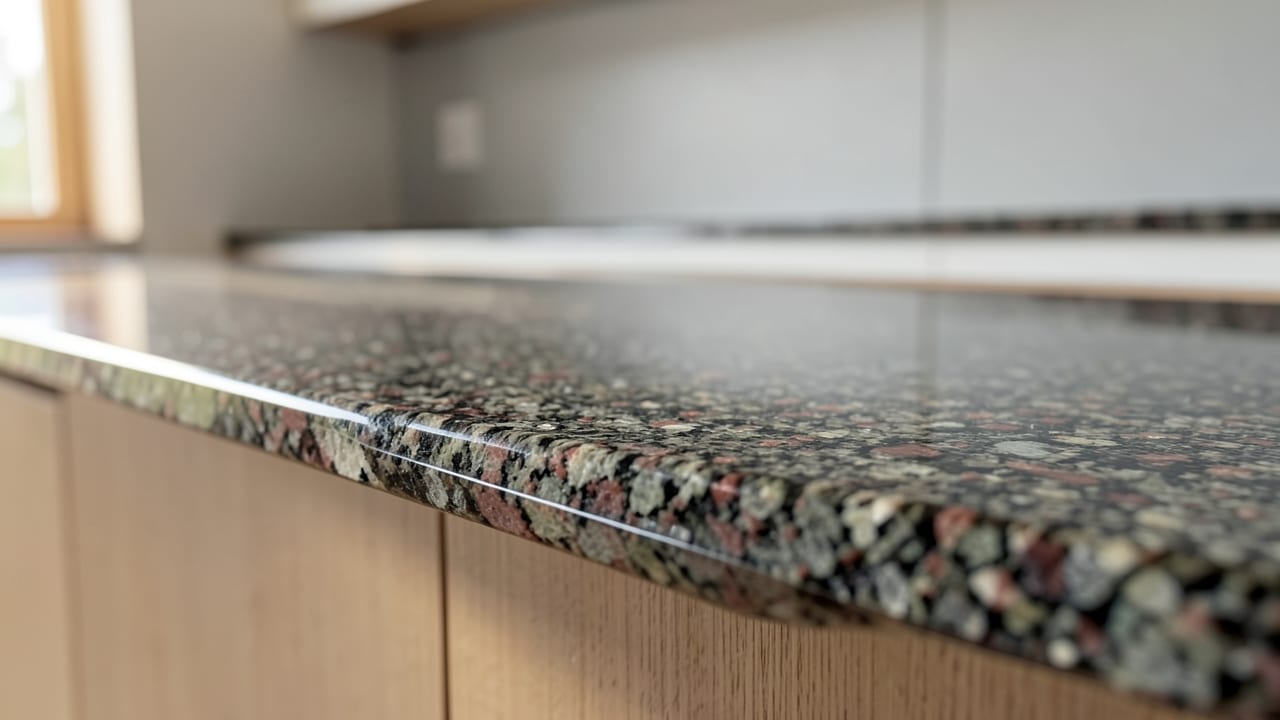
Stone Countertop Mold Removal in Pacific Beach, CA
Professional removal of mold from stone countertops using specialized cleaning and treatment methods.
Learn More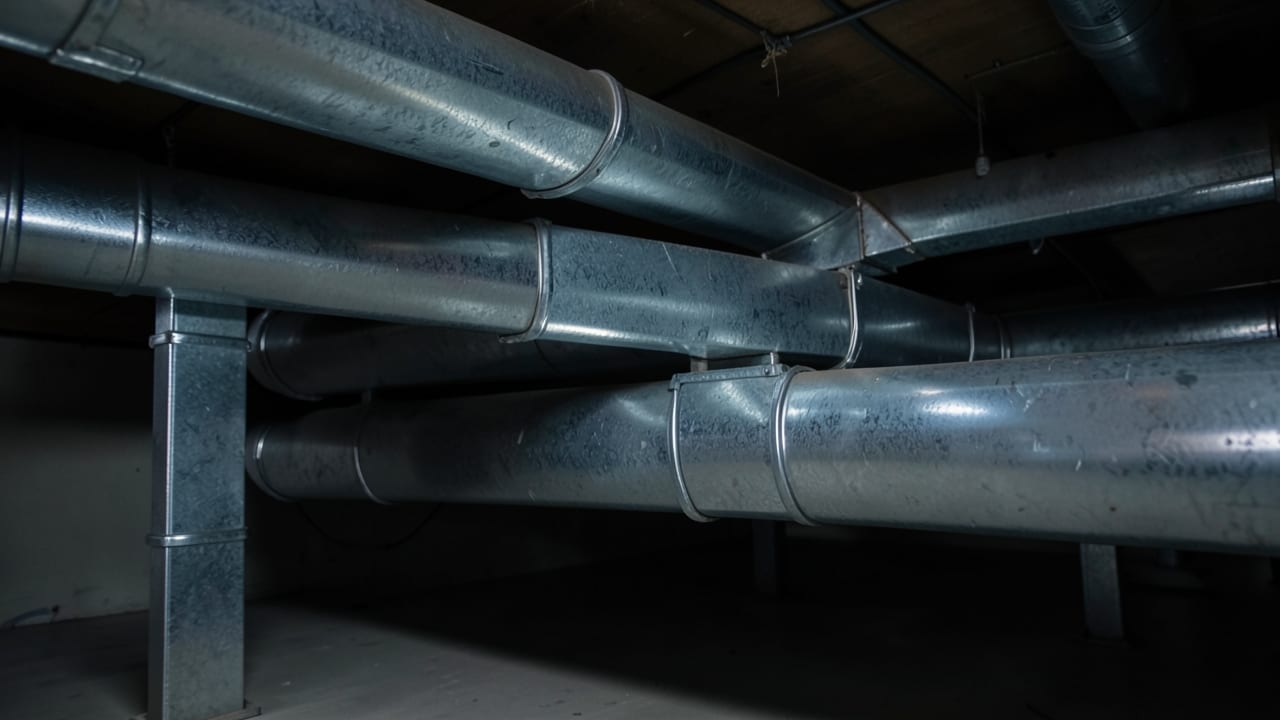
Metal Ductwork Mold Remediation in Pacific Beach, CA
Professional removal of mold from metal ductwork to restore indoor air quality.
Learn MoreCommon Questions About Mold Remediation in Pacific Beach
Everything you need to know about mold remediation services in Pacific Beach
How much does Mold Testing & Air Quality Testing typically cost in Pacific Beach, CA?
Does coastal humidity around Pacific Beach, CA change how mold risk is assessed?
How long does a typical mold remediation job take?
Is it safe to stay in the home during mold remediation?
Can small mold problems be handled without hiring anyone?
What's the actual difference between mold removal and mold remediation?
Need Mold Remediation in Pacific Beach?
Connect with local providers in Pacific Beach for a detailed quote.
⏰ We answer your call • Serving all of Pacific Beach and surrounding areas